How to create SaaS eCommerce platform?
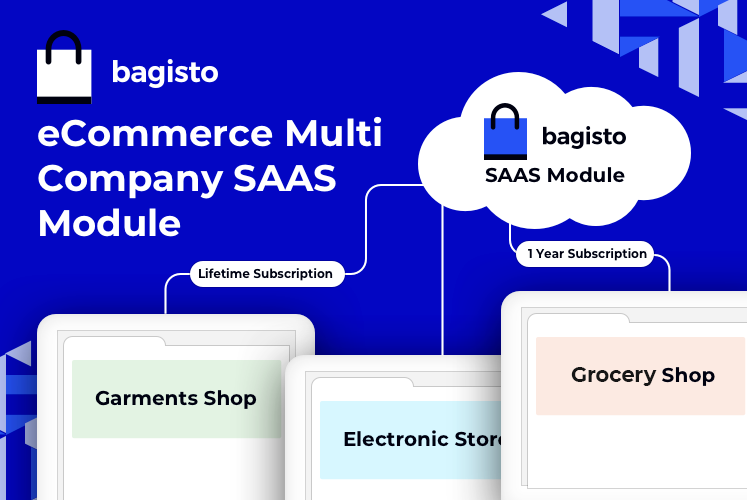
A SaaS eCommerce platform helps businesses create and manage online stores through a cloud-based solution.
It offers flexibility, scalability, and easier store management.
However, choosing the right technologies and building a platform that can grow with your business can be challenging.
This guide explores the key steps, technologies, and benefits involved in creating a successful SaaS eCommerce platform.
What is a SaaS eCommerce Platform?
A SaaS eCommerce platform is a cloud-based software solution.
It allows businesses to create and manage online stores through the internet.
Users can access the platform without installing software or managing servers.
The service provider handles hosting, maintenance, and updates.
Features of a SaaS eCommerce Platform
A SaaS eCommerce platform simplifies store management for merchants and administrators.
It provides everything needed to run multiple stores from a centralized system.
Key features include:
- Easy store creation and management
- Multi-merchant support
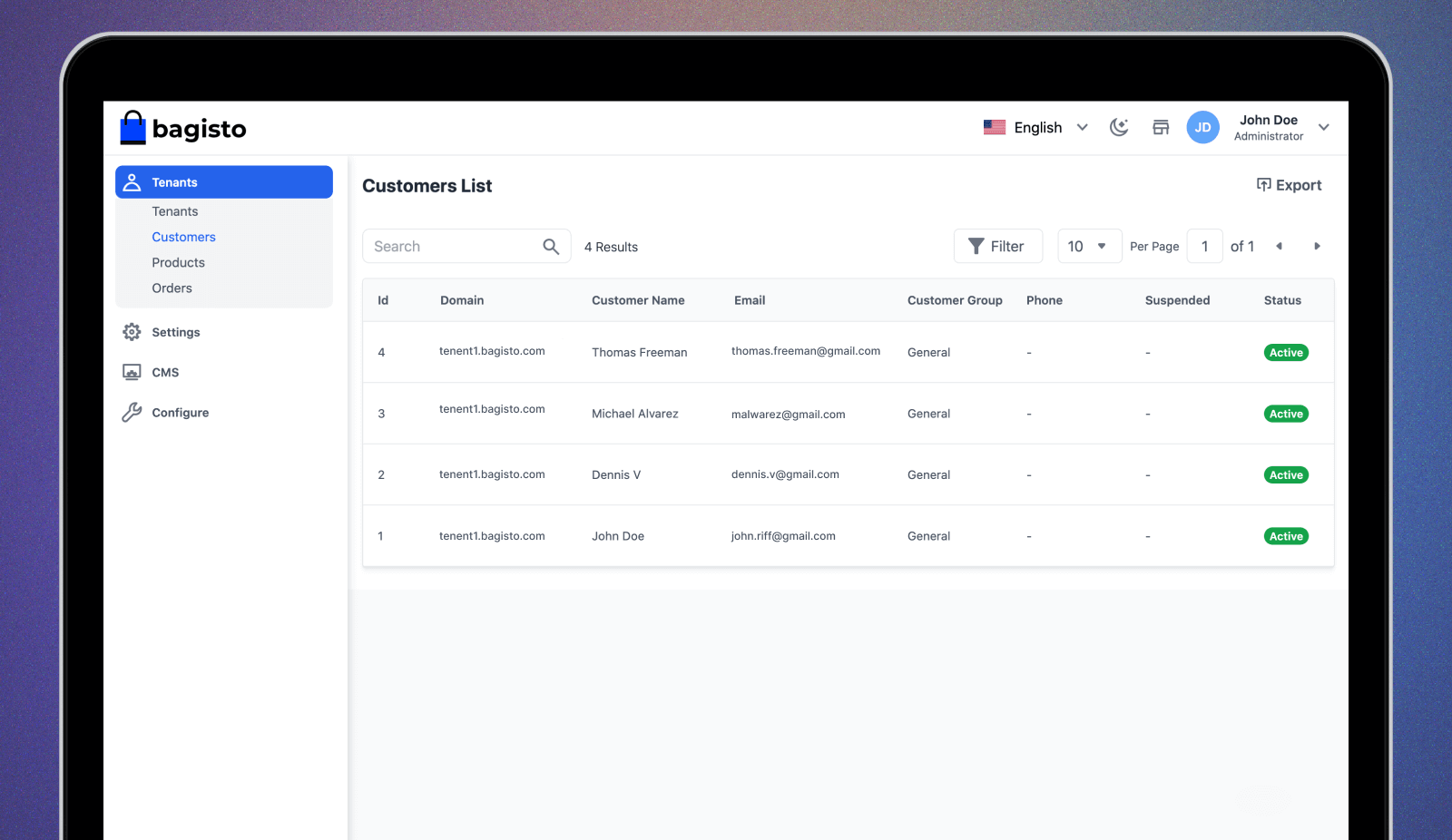
- Customer and order management
- Order email notifications
- Custom domain management
- Centralized admin control
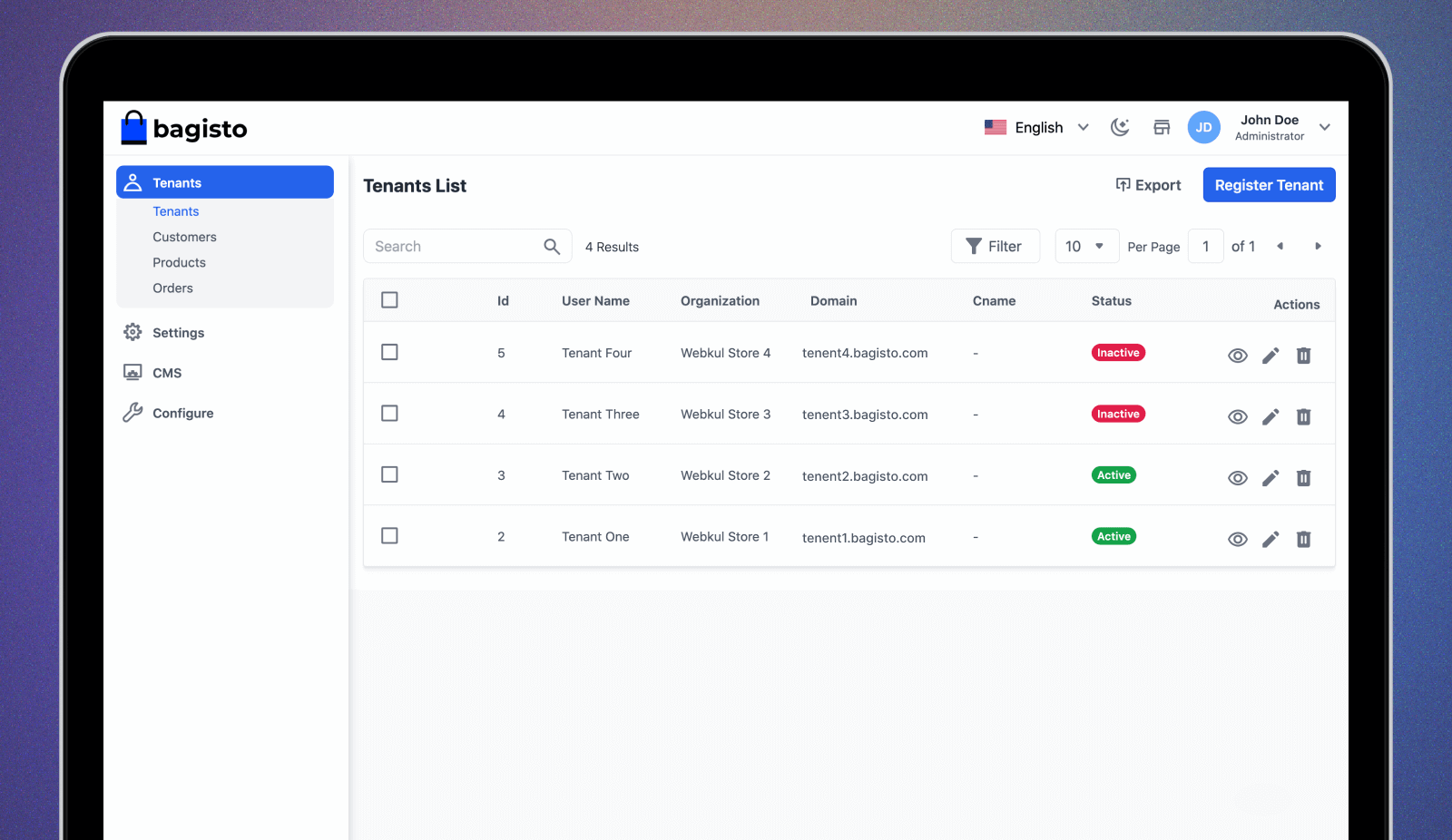
Many businesses are adopting SaaS solutions to improve efficiency, reduce costs, and simplify daily operations.
How to Get Started?
Creating a SaaS eCommerce platform starts with selecting the right technology stack.
These decisions directly affect performance, scalability, and maintenance.
The two most important factors are:
- Programming language
- Database selection
Choosing the right combination creates a strong foundation for long-term growth.
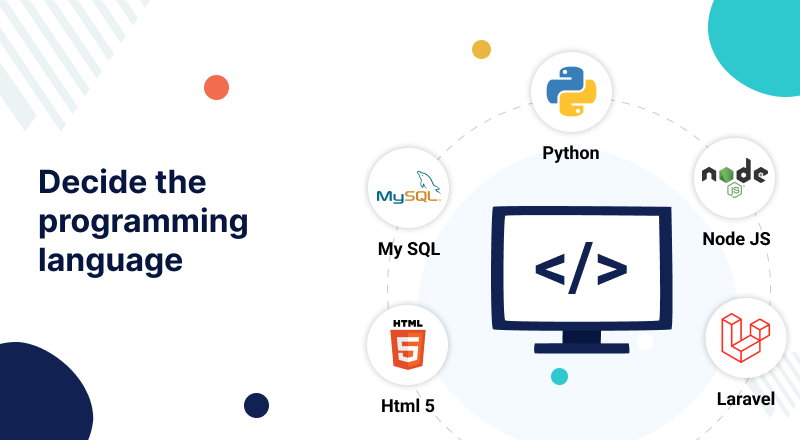
Decide on the Programming Language
Selecting the right programming language is one of the first steps in SaaS development.
The technology you choose affects development speed and future scalability.
Popular options include:
- Laravel
- Python
- Node.js
- Ruby on Rails
Developers should focus on security, flexibility, community support, and ease of development.
Laravel is a popular choice because it offers rapid development and a rich ecosystem that simplifies SaaS application development.
Choosing the Right Database
A reliable Database Management System is essential for managing products, customers, orders, and business data.
Popular database options include:
- MySQL
- MongoDB
- PostgreSQL
The right database depends on your application requirements and expected growth.
What is MongoDB?
MongoDB is a document-oriented database designed for flexibility and scalability.
It stores data in collections and documents instead of tables, making it suitable for applications with dynamic data structures.
MongoDB also offers high performance and easy scalability for growing applications.
What is MySQL?
MySQL is an open-source relational database management system that stores data in tables.
It is widely used for applications that require structured data and reliable performance.
MySQL remains one of the most trusted database solutions for Modern Web Applications.
When Should You Use MySQL?
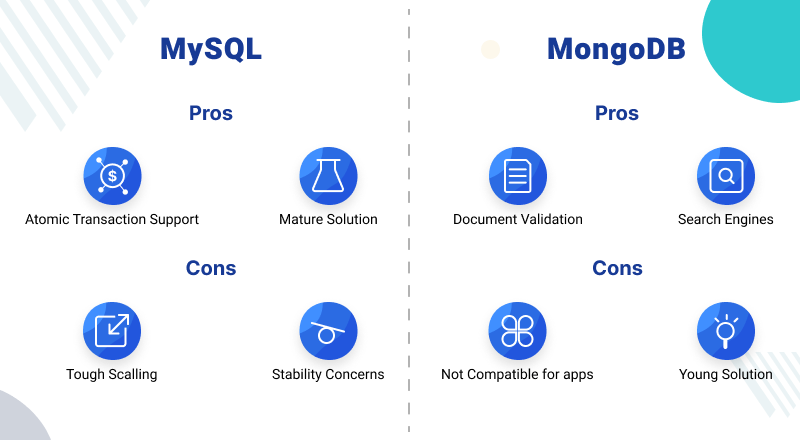
MySQL is ideal for applications that require data consistency, security, and complex query support.
Common examples include inventory management systems, accounting software, and enterprise applications.
The advantages of MySQL are:
1. More Reliable.
2. Data integrity and security.
3. An easy way of representing a business model.
4. Easy to use the query language SQL.
5 Reasons Merchants Should Move to SaaS eCommerce Platforms
1) Lower Operating Costs
SaaS platforms reduce development and infrastructure expenses.
Businesses can launch stores faster without building everything from scratch.
The provider manages hosting and maintenance, helping merchants save time and money.
2) Greater Flexibility
Business needs can change quickly, and SaaS platforms make adaptation easier.
Merchants can scale operations, add features, and respond to market changes with minimal effort.
3) Easy Maintenance
The service provider handles updates, security patches, hosting, and performance optimization.
This reduces technical workload and allows businesses to focus on growth.
4) Easy Integration
Modern businesses rely on multiple software solutions to manage operations.
SaaS platforms provide integration capabilities that connect easily with ERP, POS, CRM, and accounting systems.
5) Faster Growth
SaaS solutions are ready to use and require minimal setup time.
Businesses can expand operations and add users without investing heavily in infrastructure.
Final Thoughts
A SaaS eCommerce platform provides a practical way to launch and manage online businesses without the complexity of maintaining infrastructure.
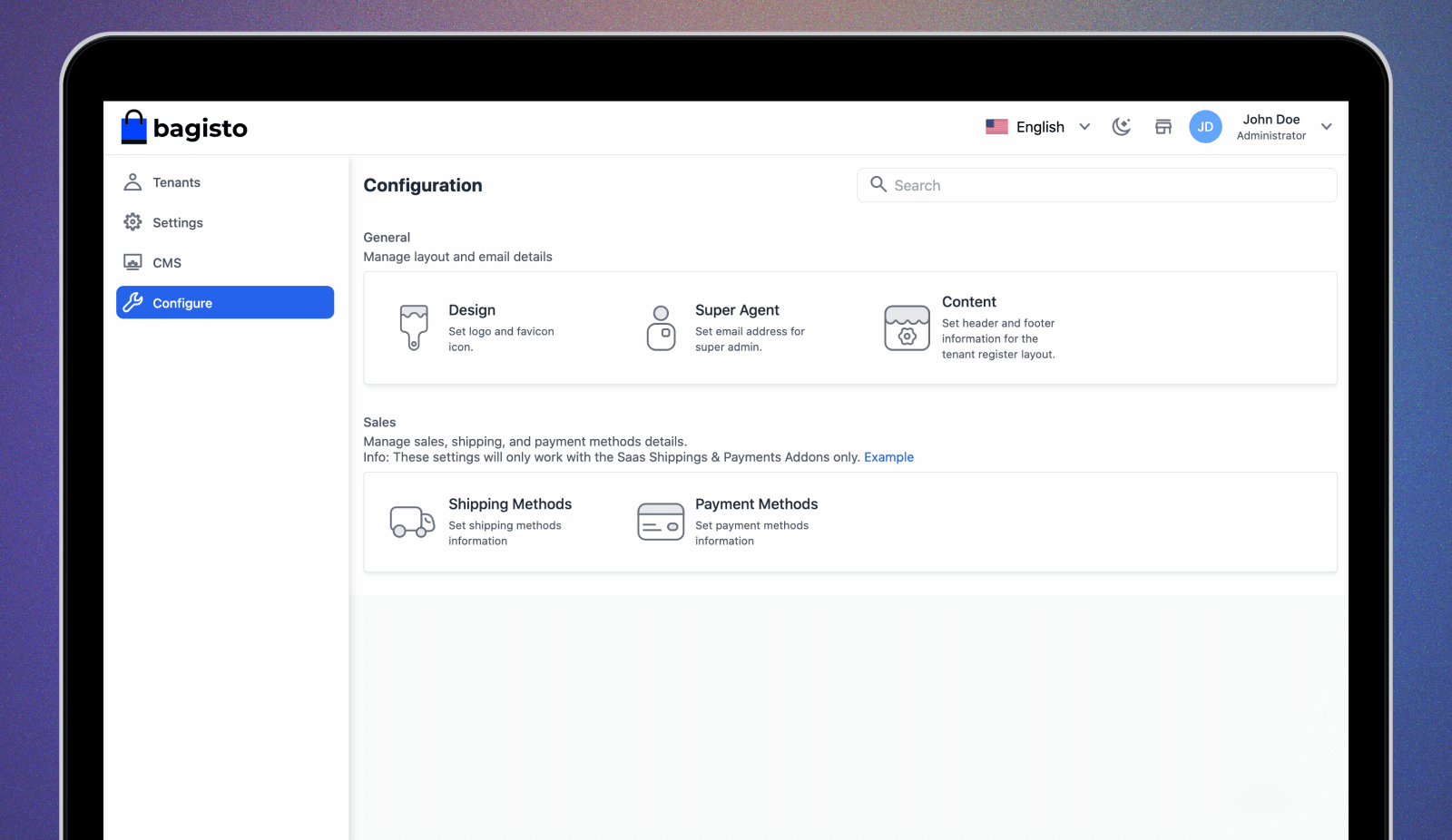
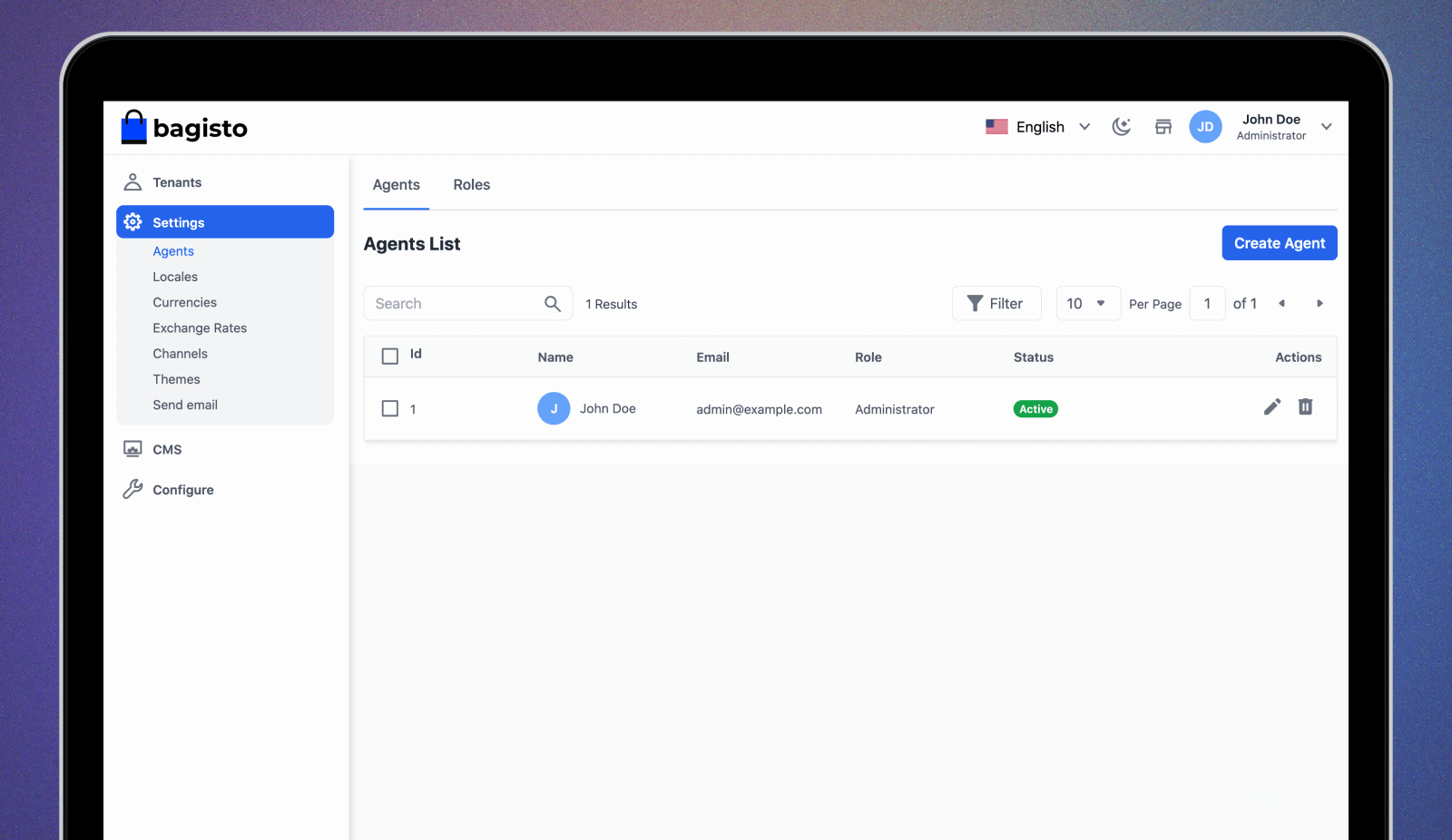
Explore our Live Demo to see how a SaaS eCommerce platform works and experience its features in action.
Live Demo: https://demo.bagisto.com/saas/
Planning to create a SaaS eCommerce platform? Feel free to contact us at https://bagisto.uvdesk.com/en/.


Be the first to comment.