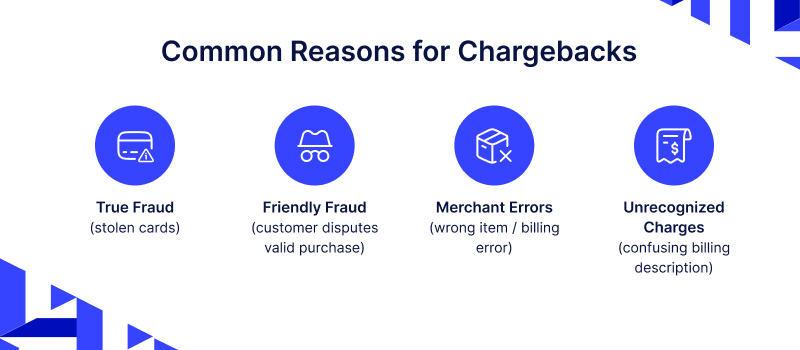
Chargebacks happen for many reasons. True fraud occurs when stolen credit cards are used for purchases, often after accounts or cards are stolen.
Creating a multi vendor marketplace opens up new chances for ecommerce businesses to grow.
But it also brings along tricky issues with payments and handling disputes. One of the major financial dangers that marketplaces deal with is chargebacks.
These disputes can have a direct impact on revenue and the stability of operations.
In a marketplace, one order might have products from several different vendors. This makes it tougher to track and fix payment reversals.
If chargebacks aren’t managed well, they can hurt relationships with vendors. They can also raise the costs of payment methods for the platform.
Having a clear chargeback strategy helps marketplaces avoid disputes from the start. It also allows platforms to react quickly when disputes do happen.
What Is a Chargeback?
A chargeback happens when a customer disputes a payment with their bank.
The bank then reverses the transaction from the merchant’s account. Instead of asking the seller for a refund, the customer contacts the card issuer.
The bank temporarily returns the money to the customer.This process is common in card-not-present transactions, such as online purchases.
It is often used when customers believe a transaction is incorrect.Sometimes, chargebacks are caused by real fraud or stolen cards.
Other times, they happen even when the purchase was legitimate.This type of misuse is often called friendly fraud.
The customer receives the product but still disputes the payment setup.
Why Are Chargebacks More Challenging in Multivendor Marketplaces?
• Complex Marketplace Transactions
Chargebacks get trickier in a marketplace setting.
• Multiple Sellers in One Order
In a multi-seller marketplace, a single order can include products from multiple vendors.
• Split Payment Structure
Split payments automatically divide what customers pay between the marketplace owner and vendors on a multi-vendor marketplace platform.
• Difficult Fund Recovery
Getting back those funds after a disagreement can be tough.
• Seller-Related Issues
If a seller sends the wrong item or takes too long to deliver, problems can arise.
• Marketplace Payment Responsibility
Still, the marketplace might be responsible for the payment.
• Impact on Marketplace Commissions
Chargebacks can also reduce the marketplace’s commission management.
• Loss for Sellers and Platform
Both the seller’s earnings and the platform’s fees could be lost.
• Importance of Chargeback Management
This makes managing chargebacks super important for the Multi Vendor eCommerce Marketplace to keep going.
• Long-Term Growth Risk
If not handled well, disputes can hurt growth in the long run.
What Are the Most Common Reasons for Chargebacks?
Friendly fraud is when customers argue about a valid purchase. They might say the order wasn’t authorized or that they didn’t get it.
Mistakes by merchants can also cause chargebacks. Errors in billing or sending the wrong products are common examples.
Sometimes customers just don’t recognize a charge. Confusing billing descriptions can often lead to misunderstandings and disputes.
How Can Marketplaces Prevent Chargebacks Before They Happen?
Stopping chargebacks is the best way to handle them. Good communication with customers is really important.
How Can Marketplaces Spot Possible Disputes Early?
Finding issues early can stop disputes from turning into chargebacks. Keeping an eye on transactions regularly is really important.
Watch out for strange patterns like many purchases from the same IP address. Lots of expensive orders in a short time could mean fraud.
Chargeback alert systems can give early warnings. These alerts allow merchants to refund money before disputes get worse.
Transaction analytics tools help find risky actions. They also show patterns that might cause disputes.
Using reporting dashboards makes it simpler to see trends. This helps Multi-Vendor Marketplace Platforms manage risks better in the long run.
What Should You Do When a Chargeback Is Filed?
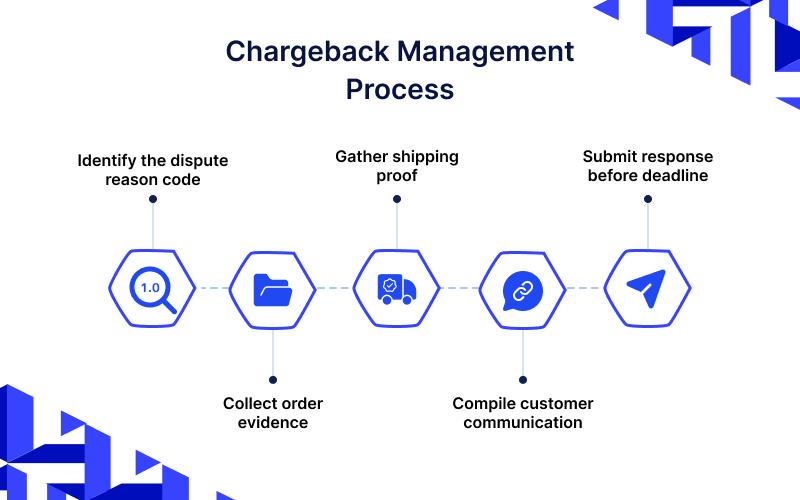
When a chargeback happens, it’s really important to act fast. The first thing you need to do is figure out why there’s a dispute.
Every chargeback has a reason code from the payment network. This code tells you why the customer decided to dispute the charge.
Multi-Vendor Marketplace Platforms need to collect all the important evidence for the order.
This means gathering order details, proof of shipping, and any communication with the customer.
Having clear documentation makes your response much stronger. It helps increase the chances of successfully getting the chargeback reversed.
Always make sure to send your response before the deadline.
If you miss the deadline, it usually means you automatically lose the dispute.
How Can Marketplaces Make Sure Vendors Are Responsible?
Vendor responsibility is important because it helps reduce chargebacks and keeps trust in a marketplace.
There should be clear agreements that explain what vendors need to do so that sellers know how to handle orders and customer problems.
Marketplace rules should clearly say who has to pay for chargeback losses.
If there are disputes because of vendor errors, the costs can be taken from the seller’s payments.
Marketplaces can also keep a small amount from vendor sales to deal with possible refunds or disputes.
This reserve fund is useful for covering unexpected chargebacks or payment issues.
Regularly checking on vendor performance helps keep the service quality high in the marketplace.
Sellers who have a lot of disputes or complaints should be looked at closely to find out what the problems are.
Having strong vendor accountability makes sellers want to give better service and manage orders more carefully.
It also helps protect the marketplace from losing money and facing operational risks.
Why Is Keeping Records Important for Managing Chargebacks?
Keeping accurate records is super important for fighting chargebacks and solving payment problems quickly.
They give clear proof that the transaction was real and followed the rules of the marketplace.
Platforms with many vendors should keep detailed order info along with payment records.
Using reliable shipping methods with confirmed tracking and delivery proof helps marketplaces handle dispute claims more effectively.
It’s a good idea to save customer communication logs to keep a clear history of what buyers and sellers talked about.
These messages help explain how the transaction went and any problems the customer mentioned.
Having centralized dashboards makes it easier to manage records by putting all the data in one spot.
They let teams quickly find the information they need during dispute investigations.
Good documentation helps marketplaces respond to chargebacks faster and with more confidence.
It also makes the evidence stronger during payment dispute investigations.
What Tools Can Help Manage Chargebacks in Marketplaces?
Technology can assist marketplaces in managing chargeback risks.
There are various tools that aid in preventing fraud and managing disputes.
Chargeback alert systems send out early notifications about disputes.
These alerts enable merchants to fix problems quickly. Fraud detection tools examine transactions for any suspicious behavior.
They help prevent risky orders from being processed before payments go through.
Dispute automation platforms help organize evidence and responses. This speeds up and improves the process of handling chargebacks.
Return management systems, including Return Merchandise Authorization (RMA), help minimize disputes by handling product returns in a structured way.
Customers can sort out issues by getting refunds instead of going through banks.
What Metrics Should Marketplace Owners Keep an Eye On?
Keeping track of the right metrics helps marketplace owners manage chargeback risks and handle disputes better.
Analyzing data gives helpful insights into patterns of disputes and common payment problems.
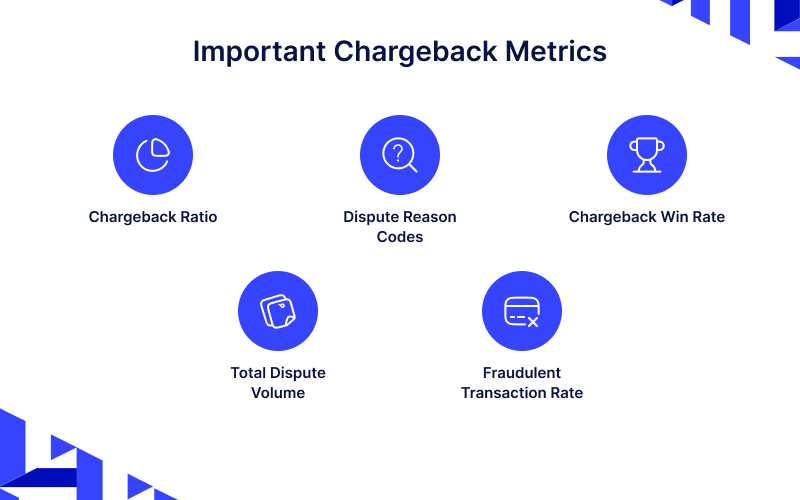
One of the key metrics for marketplaces to regularly check is the chargeback ratio.
This ratio compares the number of chargebacks to the total number of transactions that were completed.
Watching the reasons for disputes helps to find out the most frequent causes of chargebacks.
This way, marketplaces can address operational or service problems before they escalate.
Monitoring chargeback win rates is important to see how effective dispute responses are.
It also indicates where better documentation or stronger proof might be needed.
Most payment networks expect marketplaces to keep their chargeback ratio under 1 percent.
If chargeback rates are too high, it can result in penalties, monitoring programs, or restrictions on accounts.
Final Thoughts
Chargebacks are a big problem for multivendor marketplaces and can really hurt business stability.
If there aren’t good systems in place, they can quickly affect revenue and make customers lose trust.
A solid chargeback strategy is all about preventing issues and catching them early.
Having clear communication and accurate product information can help lower the chances of disputes.
Multi Vendor eCommerce Marketplace platforms should also make sure vendors are held accountable.
Keeping an eye on transactions and keeping records helps marketplaces defend against disputes.
When handled well, chargebacks become easier to manage and fix.
This way, marketplaces can grow steadily while keeping customer trust and platform reliability intact.


. . .

Be the first to comment.