The Middle East is now a strong and fast growing place for online business. Many founders and brands are entering this market as demand keeps rising.
The ecommerce sector in this region is growing faster than many parts of Asia Pacific. This makes it a great time to launch your own multivendor marketplace.
In this article, How to Create an ecommerce Marketplace in the Middle East?, you will learn key trends, main chances, and steps to start.
Many well known regional brands such as DigiKala, The Sultan Center, Cartlow, AL Hawaj, Banner, and FunkySouq already use Bagisto to run their online stores.
This shows the strong trust and huge growth space for new online businesses in this region.
eCommerce Opportunity In the Middle East Market
According to Mordor Intelligence, the Middle East and Africa eCommerce market is valued.
It is expected to reach around USD 302 billion by 2030 with a strong 14.28% growth rate.

Growth comes from higher income in Gulf countries, more people using smartphones, and better delivery services, making online shopping simple for all.
Cross border online trade is growing as parcels move between China, the Gulf, and Africa, helping the region connect more easily with global online sellers.
Rapid Growth
The Middle East is seeing fast ecommerce growth as more people shop online and trust digital services, making the region grow quicker than many global markets.
This rise is supported by stronger internet access, a young digital savvy population, and clear changes in how people prefer to buy goods.
High Internet Penetration
The Middle East has seen a strong rise in internet use, which has made online shopping easy and common for many people across the region.
This growth is not limited to big cities as more rural areas are also coming online, giving brands a wider base of new customers.

Expanding Middle Class
The Middle East now has a fast growing middle class with better income levels, which encourages more people to buy goods online with confidence.
This rise in spending ability creates strong demand for online stores and makes the region a great place for new ecommerce businesses.
Mobile-First Population
The Middle East has a strong mobile first user base, where most people browse and shop through their phones rather than desktops.
This habit gives online stores a clear chance to reach buyers quickly with simple, fast, and mobile friendly shopping experiences.
Undeveloped Markets
Some Middle East countries like the UAE and Saudi Arabia have strong online markets, but many nearby regions are still growing and have low online reach.
These new markets offer a clear first mover chance for brands that want to set up early and build trust before competitors enter.
What Do You Need to Start an eCommerce Marketplace in the Middle East?
The Middle East offers strong growth for online stores, so it is important to know the key things you need before you launch your marketplace.
You must choose the right tools, build a smooth user flow, and set up systems that help you run your online store with ease.
1) Web Hosting Service
Choosing a strong cloud infrastructure hosting service is key to running your online store with good speed, high uptime, and safe data.
You should look for a provider that offers fast load time, easy scaling, and support within the Middle East region.
A) Google Cloud in Tel Aviv, Doha, and Dammam
Google Cloud has data centers in Tel Aviv, Doha, and Dammam, which helps you get low delay and smooth access for users across the region.
B) AWS Cloud in UAE and Bahrain
AWS runs data centers in the UAE and Bahrain and is known for its stable tools and wide range of cloud services that fit small and large online stores.
C) Microsoft Azure in Dubai and Abu Dhabi
Microsoft Azure has data centers in Dubai and Abu Dhabi and offers helpful tools like AI features that improve user flow and support daily business tasks.
2) Domain Purchase
Choose a clear, easy to remember domain name that matches your brand and helps users quickly find your online store.
Make your domain name simple, short, and relevant to connect easily with your target audience in the Middle East.
3) Inventory Management
Good inventory control helps you ship orders on time, avoid stockouts, reduce extra items, and keep your store running smoothly.
Use simple inventory tools or software to track products, update stock levels, and keep your store running smoothly.
4) Payment Processing
Offer a variety of payment method so customers can pay in the way they trust, which helps build confidence and increases sales across the Middle East.
Popular choices in the region include PayTabs, PayFort, HyperPay, CashU, PayPal, and Stripe, which support safe and smooth online payments.
5) Shipping Solutions
Choose trusted shipping methods to make sure orders reach customers on time and in safe condition, which helps build trust in your store.
Offer flexible delivery choices and simple tracking so users can follow their orders with ease.
Popular shipping firms in the region include Aramex, First Flight, Shipa Delivery, FedEx, UPS, DHL, and Emirates Post.
6) Marketing and Promotion
Use simple, clear digital marketing plans that fit the Middle East market to reach the right customers.
Focus on social media, basic SEO, and paid ads to attract more visitors and grow your online store.

How RTL Compatibility Makes Ecommerce More Friendly for Middle East Users
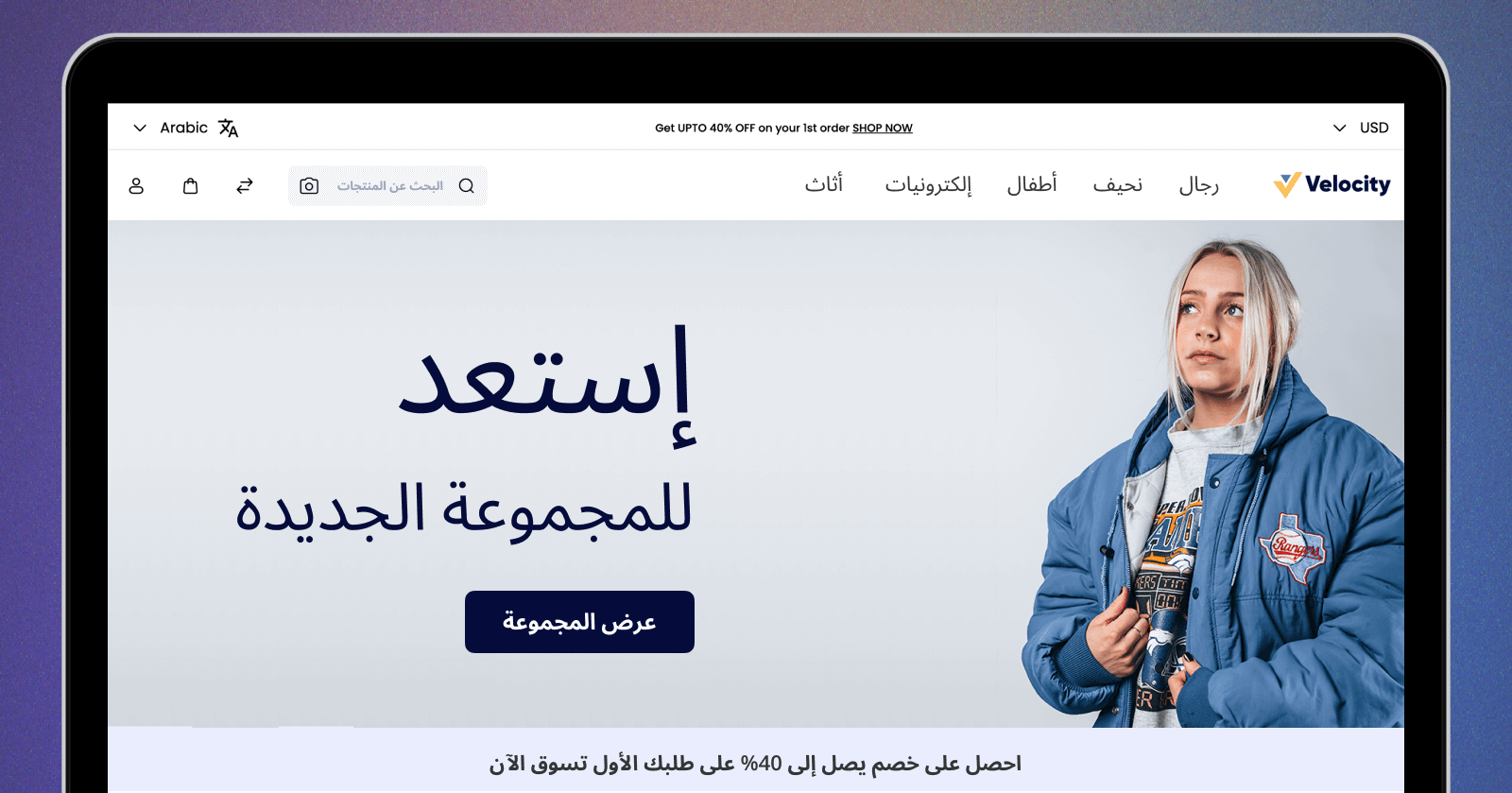
Many Middle East users read and write in right to left scripts, so your online store should fully support RTL for a smooth and clear shopping experience.
This means setting the layout, text flow, and menus to match languages like Arabic, Persian, and Hebrew, which helps more users feel at home on your site.
Support Multi Currency
Many countries in the Middle East use different currencies. Offering multi currency support makes the buying process simple and clear for your customers.
It also builds trust, as users can view prices and pay in the currency they use every day.
Go With OpenSource eCommerce Platform
If you want to build strong ecommerce marketplace without coding, an open source platform is a smart choice as it gives all the tools to run your store easily.
You can pick from popular platforms like Bagisto, Magento 2, WooCommerce, and CS Cart. These options make it easy to launch your marketplace fast.
Many add ons and Bagisto extensions are available to improve the user experience. They help you shape your marketplace to match your business needs.
Why Hyperlocal is a Game Changer for Ecommerce Marketplace in the Middle East?
If you plan to start a hyperlocal services marketplace, you are in the right place.
The hyperlocal model focuses on quick delivery in a small area and is growing fast in the Middle East.
This model gives clear benefits to sellers and buyers. It also helps new business owners enter the market fast and meet local needs with ease and comfort.
1) Faster Deliveries
Hyperlocal models deliver orders faster, giving Middle Eastern customers the quick and smooth service they highly value.
2) Localized Marketing
You can tailor your marketing to each area or city, helping you stay relevant and connect well with local customers.
3) Cost Efficiency
Running your service in a smaller area can lower your daily costs and make your ecommerce business more profitable.
4) Personalization
Hyperlocal models help you give a more personal shopping experience, which can increase trust and loyalty among your customers.
5) Door-to-door Delivery
Hyperlocal services offer fast door to door delivery, which is a big benefit in the Middle East.
Customers enjoy the ease of getting their orders right at their doorstep, making this model a strong choice for ecommerce.
6) Support for Small Businesses
Hyperlocal models help small local sellers by giving them a place to offer their goods and services.
This boosts local growth and adds more product choices for your customers.

How Bagisto Helps Businesses Grow in the Middle East
Many businesses in the Middle East have turned to Bagisto to build strong and flexible online marketplaces.
These success stories show how the platform can handle high traffic, multiple sellers, and local market needs.
DigiKala – Iran’s Leading B2B Marketplace
DigiKala uses Bagisto’s B2B setup to run a large wholesale marketplace.
The platform helps them manage many buyers and sellers while keeping the buying process smooth and reliable.
The Sultan Center – Kuwait’s Online Grocery Shift
The Sultan Center moved its grocery chain online using Bagisto Open Source.
They now offer a fast, easy to use store where customers can shop for groceries and household items with ease.
Cartlow – UAE Re-Commerce Leader
Cartlow uses Bagisto Multi Vendor to run its marketplace for returned, overstock, and pre owned goods.
The system lets them manage multiple sellers and give buyers a seamless shopping experience.

These stories show how Bagisto helps Middle East businesses grow. From grocery to wholesale and resale, it supports brands and makes online success easier.
Remark At End
This article, How to Create an ecommerce Marketplace in the Middle East?, shows how the region offers strong growth chances for new and rising businesses.
You can tap into this market by understanding its needs and building a platform that fits local users.
By following the key points we covered, you can set up your ecommerce marketplace for long term success.
Now is the right time to take action and enter the fast growing Middle Eastern ecommerce space.



Be the first to comment.