Online shopping worldwide is growing fast.
A cross border multi vendor marketplace helps businesses sell in different countries and reach more customers.
However, building a cross border Multi Vendor Marketplace is not always easy.
Businesses often face challenges with payments, shipping, taxes, and vendor management.
In this blog, we will explore how to build a cross border multi vendor marketplace.
We will also discuss the common challenges businesses may face during the process.

What Is a Cross Border Multi Vendor Marketplace?
Why Businesses Are Investing in Cross Border Marketplaces?
Cross border shopping is growing fast. Customers now buy from global sellers for better prices.
They also look for unique products and more choices from international markets.
Businesses also invest in global marketplaces to increase sales and build a stronger market presence.
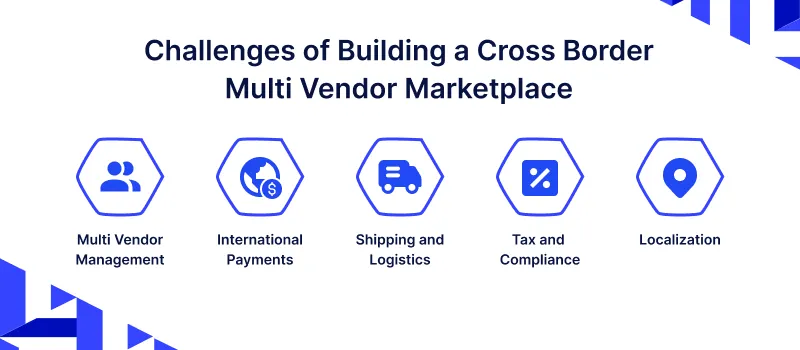
Challenges of Building a Cross Border Multi Vendor Marketplace
Building a global marketplace takes planning. Businesses must manage many moving parts.

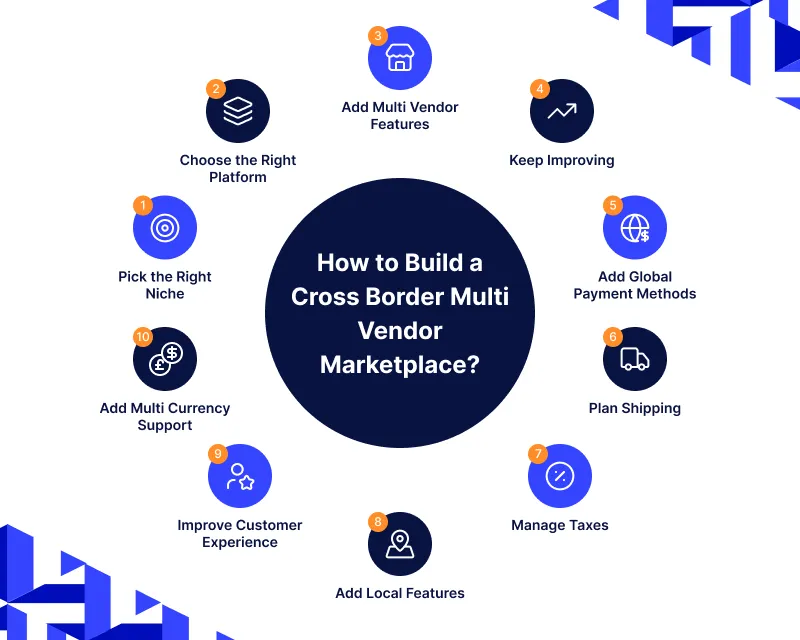
Building a successful marketplace takes planning. Here are the key steps businesses should follow.
Step 1: Pick the Right Niche
Start by choosing your target market. Then, select a product category that fits your business goals.
You may choose fashion, electronics, beauty, or home décor.
A clear niche helps attract the right sellers and buyers.
Step 2: Choose the Right Platform
Technology plays a big role in marketplace growth.
Your platform should support global selling and business expansion.
It should support many sellers, payment methods, and easy management.
Bagisto can be a good choice for global marketplaces.
Step 3: Add Multi Vendor Features
Sellers should be able to manage products and orders with ease.
Inventory tracking and vendor management are also important.
Bagisto Marketplace helps businesses manage vendors from one panel.
This makes operations easier and more organized.
Step 4:Keep Improving
Monitor customer behavior on a regular basis.
Review Product Performance, vendor activity, and sales trends to improve decision making.
Small improvements can help marketplaces grow.
Regular updates also help improve the customer experience.
Step 5: Add Global Payment Methods
Customers trust Payment Methods they already know.
Support cards, wallets, and local payment options.
Easy and secure payments help improve customer trust.
They can also help reduce cart abandonment.
Step 6: Plan Shipping
Shipping plays a major role in global selling.
Set shipping zones, delivery timelines, and tracking options.
Clear shipping costs help customers shop with confidence.
Better delivery planning also improves customer experience.
Step 7: Manage Taxes
Different countries follow different tax rules.
Businesses may need to Manage Taxes like VAT, GST, or local taxes.
A flexible system helps make tax setup easier. This also helps avoid confusion during global selling.
Step 8: Add Local Features
Use local language and currency to improve customer trust. Show region based content when needed.
A familiar shopping experience helps customers feel more comfortable. This can also improve engagement.
Step 9: Improve Customer Experience
An easy checkout process helps improve sales. Fast website speed also creates a better shopping experience.
Clear pricing and order tracking improve trust. A mobile friendly experience can also improve conversions.
Step 10: Add Multi Currency Support
Customers prefer paying in their local currency.
Adding Currency support makes shopping easier and helps build customer trust.
It also reduces confusion during checkout. A smooth payment experience can improve conversions.

Best Practices for Cross Border Marketplace Success
Start with a few countries before expanding further. This makes marketplace growth easier to manage.
Provide reliable payment options and allow customers to pay in their local currency.
This helps boost customer confidence and makes the checkout process smoother.
Focus on mobile speed, website performance, and customer reviews.
Small changes can help build trust and improve sales.
Final Thoughts
Building a global marketplace needs good planning.
Businesses must manage payments, shipping, taxes, and vendors in the right way.
A smooth customer experience is also important. Small improvements can build trust and help increase sales.
Bagisto makes it easier to build a multi vendor marketplace.
It offers multi currency support, Local Language Options, and simple customization for global business needs.

