
Modern eCommerce needs a platform that is fast and easy to grow. Businesses also want tools that use the latest technology.
Bagisto is built with Laravel and Vue.js. It offers easy customization and modern features.
OpenCart is a popular choice, but plugin updates and custom changes can become difficult as your store grows.

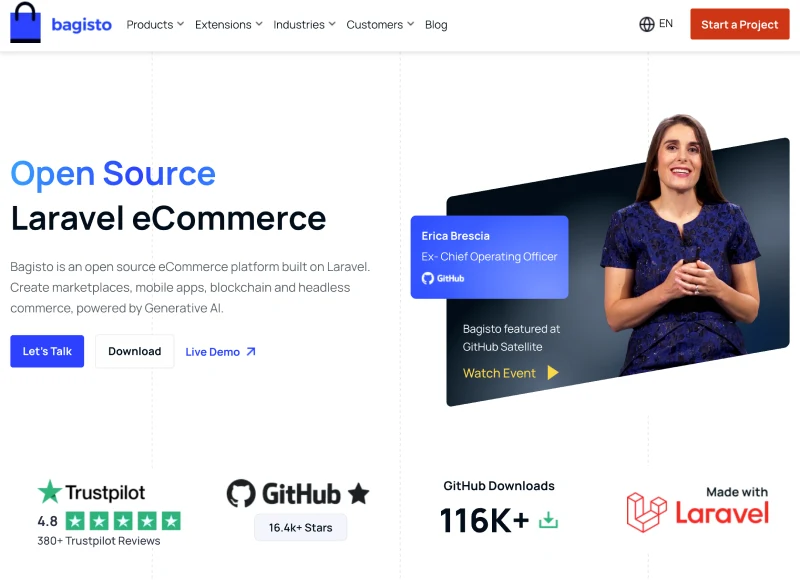
The current article compares Laravel’s GitHub stars with OpenCart’s, which is misleading because Laravel is not Bagisto.
A fair comparison would include:
- GitHub activity
- Release frequency
- Documentation quality
- Community contributions
- Marketplace ecosystem
- Commercial support
- Extension availability
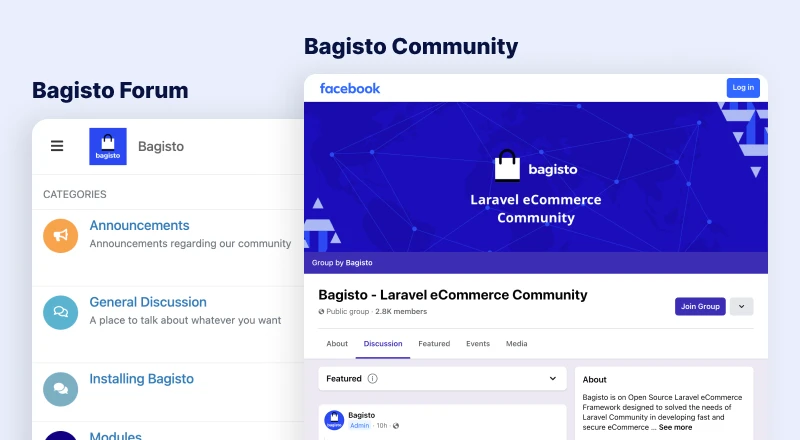
Bagisto also benefits from the Laravel ecosystem. Developers get access to thousands of Composer packages and Laravel tools.

Tech Stacks
The technology stack plays a key role in the performance, scalability, and flexibility of an eCommerce platform.
| Feature | Bagisto | OpenCart |
|---|---|---|
| Backend Framework | Laravel | Custom PHP MVC |
| Frontend | Vue 3 + Blade + Tailwind | Twig + JavaScript |
| Build Tool | Vite | Standard asset pipeline |
| ORM | Eloquent | Custom Database Layer |
| Dependency Management | Composer | Composer + OpenCart extensions |
| Architecture | Modular Laravel Packages | MVC with event-based extension system |
Bagisto benefits from Laravel’s ecosystem, including queues, events, dependency injection, service providers, and authentication.
OpenCart follows its own framework, which is lightweight but offers fewer enterprise-level development features.
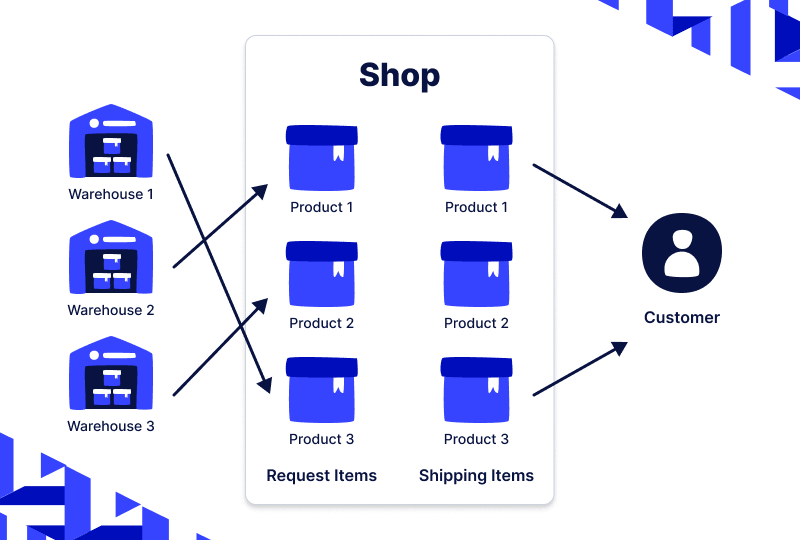
Inventory Management
This is one area where Bagisto has a genuine advantage.
Bagisto
- Multi-source inventory
- Inventory source assignment
- Source priority
- Inventory transfers
- Multi-Warehouse Support
OpenCart
- Single inventory management by default
- Advanced warehouse capabilities typically require third-party extensions

Architecture
Bagisto
- Package-based modular architecture
- Repository Pattern
- Service Providers
- Events & Listeners
- Dependency Injection
- Queue system
- Middleware
- API-First Development
OpenCart
- MVC architecture
- Event system
- PSR-4 namespaces (OpenCart 4)
- Lightweight extension mechanism
Bagisto is a good choice for developers who use Laravel. It offers a modern development experience.
OpenCart focuses on simplicity and is easy to set up.
Performance
This section should avoid claiming that one platform is simply “faster.”
Bagisto
- Full Page Cache
- Laravel Octane support
- Redis support
- Queue processing
- Elasticsearch/OpenSearch integration
- Horizontal scaling
- CDN support
OpenCart
- Lightweight core
- Fast for small-to-medium catalogs
- Caching support
- Performance depends more heavily on hosting and extensions
Bagisto provides more built-in options for scaling enterprise deployments.
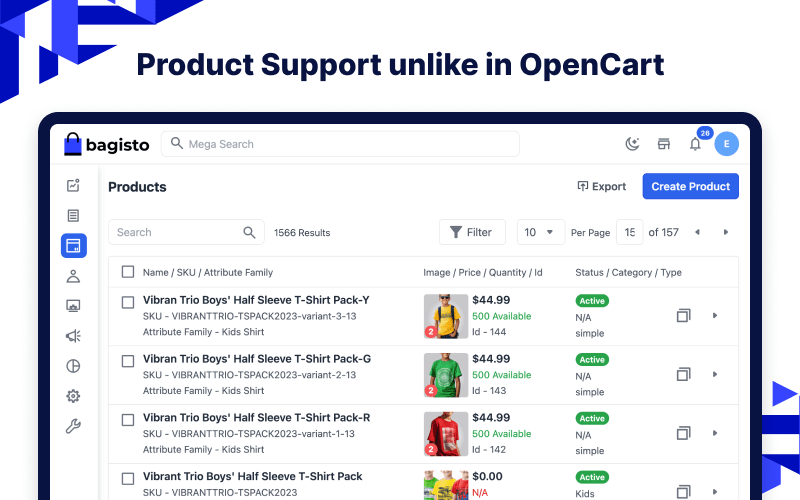
Bagisto vs OpenCart: Product Support
Product support is an important factor when choosing an eCommerce platform.
It determines the types of products you can sell and how easily you can manage them.
Bagisto supports a wide range of product types, including Simple, Configurable, Virtual, Downloadable, Grouped, and Bundle products.
It also supports additional product types through extensions, such as Booking and Subscription products.
OpenCart supports basic product types and options, but often requires extensions to add advanced product functionality.
This makes Bagisto a more flexible choice for businesses with diverse product catalogs.

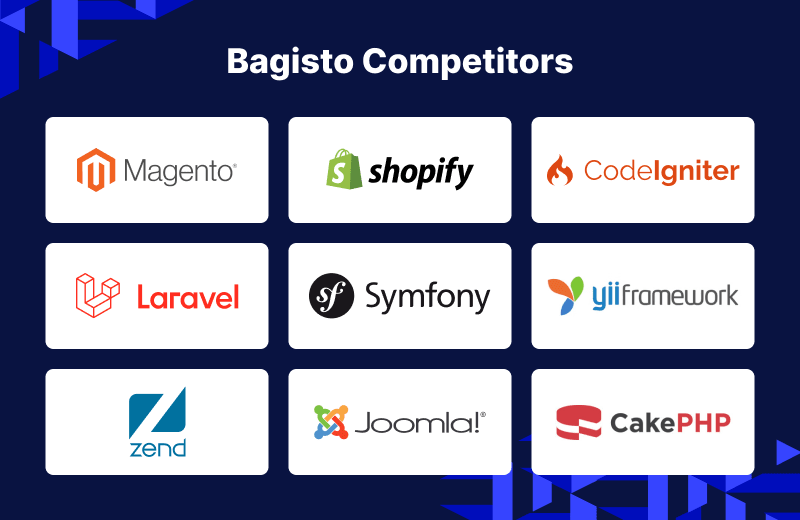
Bagisto Competitors
Bagisto competes with several popular eCommerce platforms, including OpenCart, Magento, WooCommerce, Shopify, and PrestaShop.
Each platform offers different features, customization options, and scalability.
The right choice depends on your business size, technical requirements, and long-term growth plans.

Bagisto vs OpenCart: Final Thoughts
Both Bagisto and OpenCart are reliable eCommerce platforms, but they serve different business needs.
OpenCart is a good choice for businesses looking for a simple and familiar platform.
Bagisto, on the other hand, is built with modern technologies and offers greater flexibility for customization and future growth.
The right platform depends on your business goals, technical requirements, and long term plans.
Compare their features carefully and choose the one that best fits your eCommerce needs.