Online shopping and e-commerce models of business already cemented their presence way back before the pandemic hit the world.
There is no doubt that the pandemic changed the industry forever.
One of the finest responses to the current global health threat on people has been bulk-buying, buying, when, and how.
According to a recent study by UN News, global e-commerce jumped to $26.7 trillion fuelled by COVID-19.
The digital retail economy experienced tremendous growth.
The UK saw a spike in online transactions over the same period whereas this increase was recorded from 15.8% to 23.3%.
China experienced an increase going from 20.7% to 24.9%, and the US-registered 11% to 14% increase. In light of this information.
let’s take a quick look at how COVID-19 caused the e-commerce trends in business.
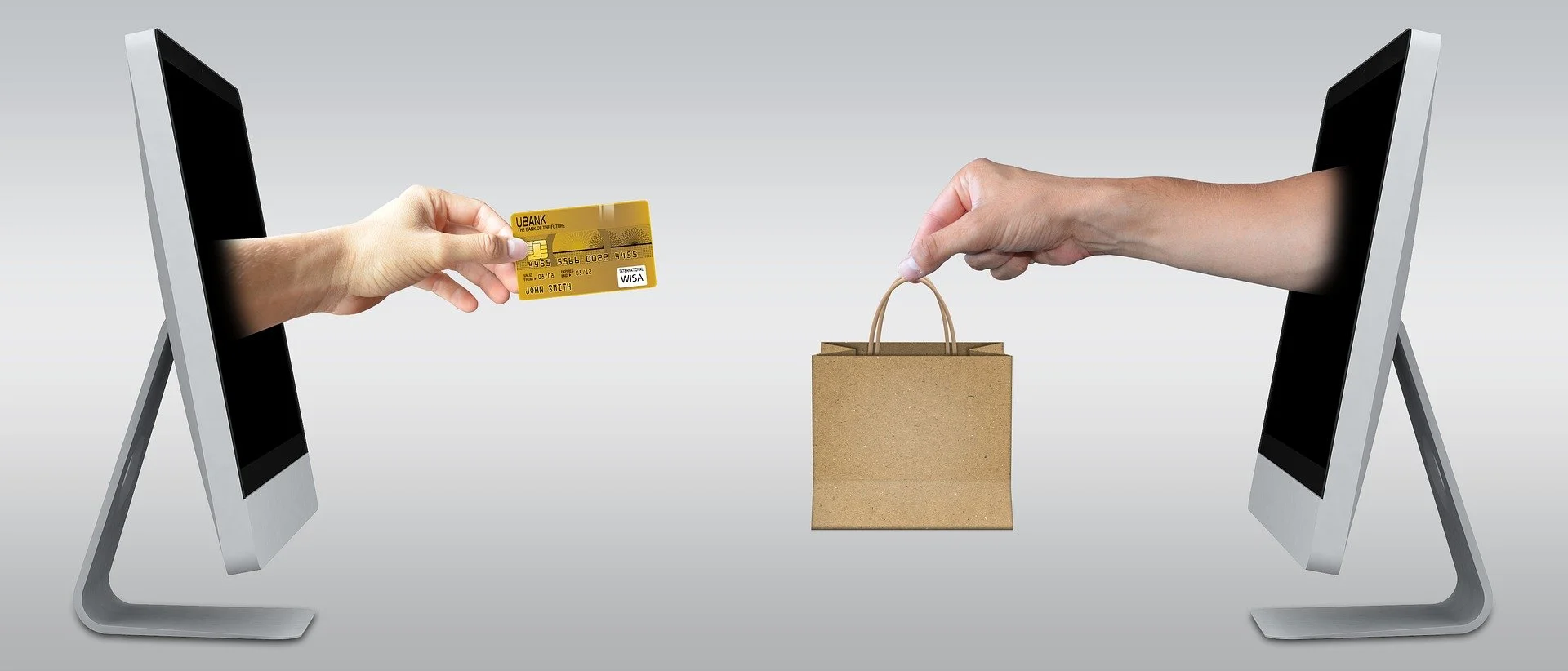
Brick and Mortar Going Online
One of the most striking reasons why the e-commerce model received a tremendous boost during the COVID-19 initial breakout.
Many brick-and-mortar businesses were severely impacted.
With a business model that ran primarily on customers visiting physically located stores, the pandemic ensured that all non-essential businesses shuttered down.
Hence, we observed several Brick and Mortar companies going online to keep their businesses running with nowhere else to go.
Some prime examples included the likes of TYLER’s, Sara Campbell, and Lammes Candies, to name a few.
With no option to keep their customers in contact, offering them an online experience was a reasonable decision.
This helped keep customers connected with their brands, products, and services.

Digital Transformations of SMEs
Small and medium-sized enterprises are independent firms with much fewer employees.
During the pandemic, the digital transformation for SMEs saw a definite burst.
No doubt, the pandemic served as an accelerator as sorts.

Hoarding Household Essentials
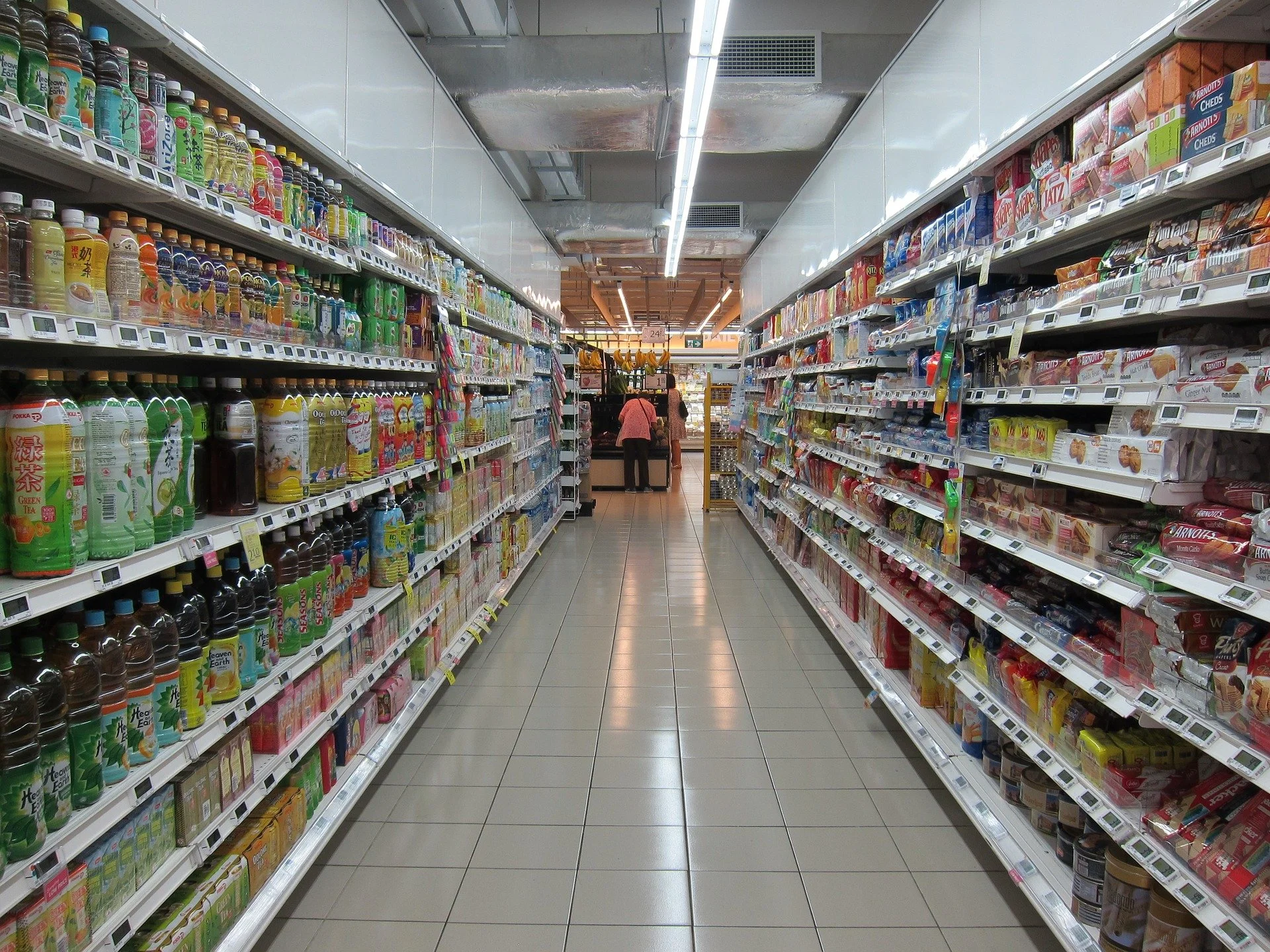
During a pandemic, buyers showed unique panic buying trends, which soon transformed into meticulous hoarding of household essentials.
In case matters didn’t resolve and took the turn for the worst, their purchases meant that they could bear the storm while it wails outside their humble abode.
Many stores worldwide faced shortages of tissue paper and hand sanitizers, but the panic soon subsided.

Generational Buying
Millennials and Gen Z reduced spending on experiences while stocking essential items and worrying about economic effects.
On the other hand, Gen X and Boomers went overboard, and many of them let the pandemic dictate the items they purchased.
Men shopped online more often than women during the pandemic, reducing their visits to physical stores.
Increase in Grocery Purchases
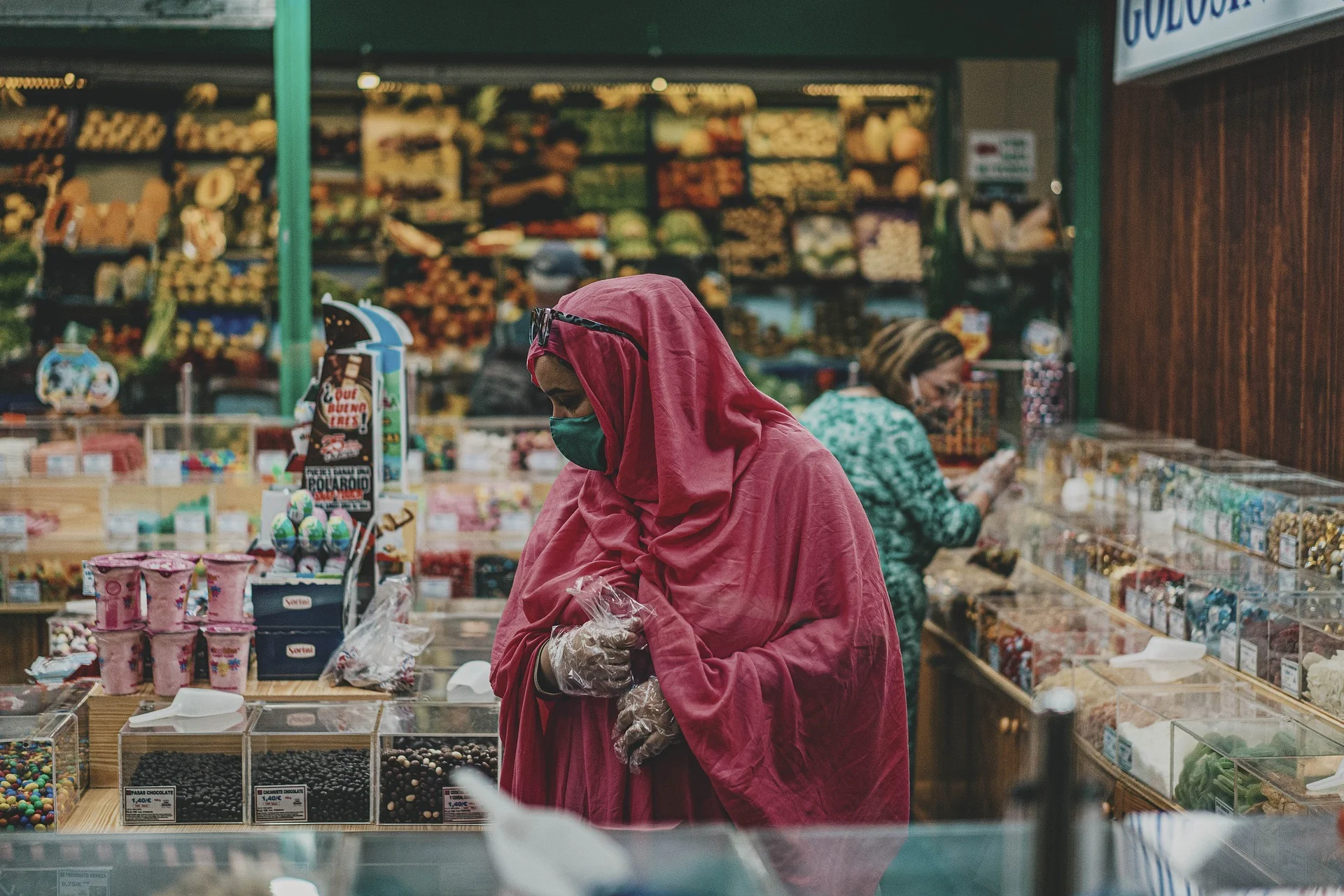
If the pandemic taught anything about consumer behavior, we simply could not live without our groceries.

More Time Spent on the Internet
With people asked to stay at home, businesses offering workers telecommuting and remote work options, and students requested to join online classes.
COVID-19 kept people indoors, increasing internet and device use while reducing outdoor activities, dining, sports, and entertainment.
Effectively more internet use meant more social media and online interactions.
Subscription Services
In the outbreak of the novel coronavirus, people worldwide, including the US and UK, started filling out subscription services like never before.
The subscription business model charges customers a recurring price at regular intervals.
This payment allows continued access to the product or service.
While it initially started for book publishers and periodicals, today, almost every business in the world is more than willing to offer such services.
Not only did subscription services increased for entertainment-related industries such as the boom Netflix got, but it also included retail subscriptions.
Young learners who request maestros to write my essay for me would also consider subscription services for the bit of discount they offer in their packages.

Trade Made Safer
With online shopping websites gaining an incredible amount of traffic, home deliveries made shopping convenient and safe during the pandemic.
I experienced this firsthand when a delivery worker kept his distance while I collected my meal order.


Thanks for your time in reading this article. Above all are the “How COVID-19 Causing the E-Commerce Trends In Business”.
Also, still, if you have any query feel free to add a ticket at https://bagisto.uvdesk.com/en/

