A multi-vendor marketplace platform allows many sellers to sell in one place. This makes order processing and revenue sharing more complex.
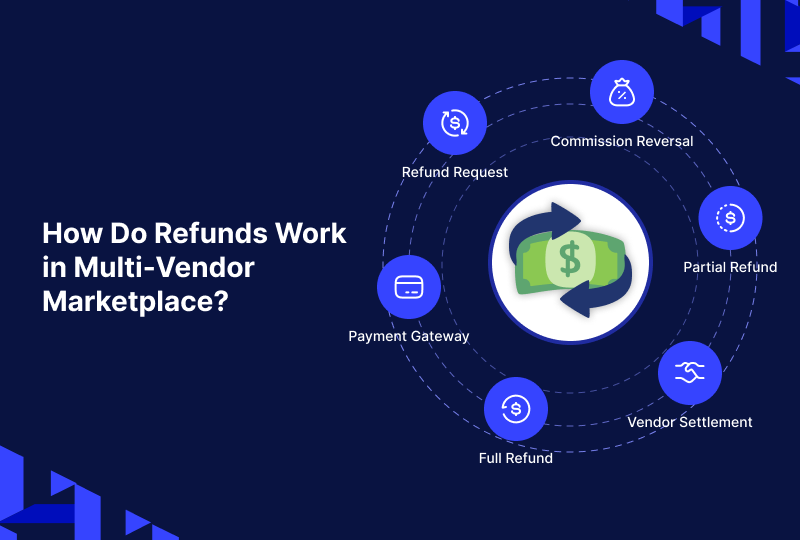
Understanding how do refunds work in multi vendor marketplace. It ensures smooth operations and correct commission handling.
When customers make an order that has items from different sellers, handling refunds can get tricky.
If someone wants to cancel one item or return part of their order, it can change how much money each vendor makes and what the marketplace gets as a fee.
If refunds aren’t handled correctly, it can lead to mistakes with commissions, arguments between vendors, and payment problems.
These things can make customers lose trust and slow down the growth of the marketplace.
This blog post explains how refunds and partial refunds work in a Laravel multi vendor marketplace.
It gives a clear outline and useful examples to help you manage refunds easily and correctly.

What Are Refunds in a Multi-Vendor Marketplace?
A refund is when money is given back to a customer after they cancel an order or return a product.
In a multi-vendor ecommerce marketplace, this process involves several people.
Each order can have different vendors who earn their own money. The marketplace also takes a cut from each sale.
Due to this arrangement, figuring out refunds needs to correctly change how much vendors earn and how much the multivendor marketplace platform keeps.
It’s really important to have automation for this.
What are the Types of Refunds?
Full Refund
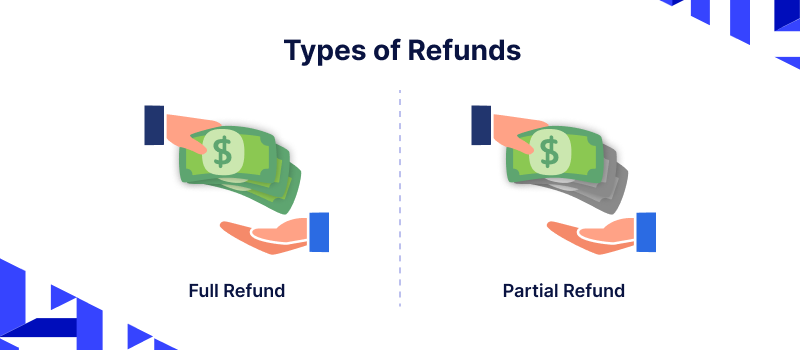
A full refund occurs when the whole order is either cancelled or sent back. In this situation, the customer gets back the total amount they paid for the order.
The earnings for the vendor are reversed, and the marketplace takes away its commission.
The refund process through the payment gateway also starts automatically.
This kind of refund usually takes place before shipping or when all the products are returned. It’s straightforward but needs to be managed carefully.
Partial Refund
A partial refund happens when just a part of the order is cancelled. This is quite common in a Laravel multi-vendor marketplace platform.
For instance, a customer might return a product from one seller but keep the other items. In this case, only the earnings for that specific vendor are adjusted.
The marketplace commission is recalculated based on the amount that was refunded. The earnings for other vendors stay the same.
Example:
Let’s look at an example of a partial refund in a multi vendor marketplace:
A customer places one order with two products:
Product A (Seller 1) – ₹1000
Product B (Seller 2) – ₹2000
Marketplace commission – 10%
After delivery, the customer returns Product A due to size issues. The refund request is approved.
In this case, ₹1000 is refunded to the customer. Seller 1’s earning ₹900 and the marketplace commission of ₹100 are reversed.
Seller 2’s ₹1800 earning remains unchanged because their product was not returned. This keeps vendor settlement clear and accurate.

Why Is Automated Refund Management Important?
Handling refunds manually can lead to errors. If commission calculations are incorrect, it can create arguments with vendors.
When refunds take too long, it annoys customers and makes them lose faith in your multi vendor ecommerce marketplace.
Bad tracking can also result in accounting mistakes.
An automated refund system fixes these issues. It quickly processes refunds and accurately updates vendor earnings and commissions.
This also boosts vendor trust and enhances the platform’s reputation.
Overall, automation makes your multi vendor marketplace platform dependable and able to grow.
How Do Payment Gateway Refunds Work?
When a refund gets the green light and the vendor’s earnings are changed, the system sends the money back through the payment gateway.
This helps customers receive their refunds quickly.
Stripe
Stripe makes it super easy to give instant refunds using its API.
The money goes back to the customer’s card right away, and the transaction status is updated automatically.
Razorpay
Razorpay handles refunds right away for payments that have been captured.
Both vendors and admins can keep an eye on the refund status using the Razorpay dashboard or API (Application Programming Interface).
PayPal
PayPal sends the refund directly to the customer’s PayPal account or their linked card.
The multi vendor marketplace system updates the order and transaction status as soon as PayPal confirms the refund.
This ensures that accounting is accurate, vendors get settled properly, and customers have a smooth experience.

What Are the Best Practices for Handling Refunds?
Keep thorough records of every refund transaction. This is important for tracking and auditing.
Let customers clearly state their reasons for refunds. It helps with communication and makes things more transparent.
Establish clear refund policies and set time limits. This is beneficial for both vendors and customers.
Automatically inform vendors when there are refund requests. Make sure to update product stock once approved.
Display refund history on the customer dashboard. This helps build trust and enhances the user experience.
Final Thoughts
Refunds and partial refunds are crucial parts of a Laravel multi vendor ecommerce marketplace.
They need to be managed clearly and with the right commission logic.
A well-organized refund system safeguards vendor earnings and ensures accurate tracking of marketplace revenue. It also fosters strong customer trust.
If you aim to expand your multi vendor marketplace platform, managing refunds should be both automated and clear.
It is a vital feature for achieving long-term success.

